Choose with Confidence
Understand the 4Cs, diamond shapes, settings and the difference between lab-grown and natural diamonds. Armed with knowledge, you'll make a choice you absolutely love.
The 4 Cs Explained
Cut, Colour, Clarity and Carat are the universal standards for measuring diamond quality. But they don't all affect what you see equally , knowing which matter most helps you spend wisely.
What Actually Affects Appearance
A certificate tells you the 4Cs, but it doesn't tell the whole story. These factors , equally important , change how your diamond truly looks in person.
Shape
Oval, pear and elongated cushion shapes often appear visually larger than round diamonds of the same carat weight. Shape is personal preference and visual impact combined.
Setting & Design
The right setting frames your diamond and can enhance its presence dramatically. A halo, hidden halo or thoughtful band design can create more visual impact without needing a larger stone.
Proportion & Spread
Two diamonds with identical carat weight can look vastly different based on depth, table percentage and overall proportions. A well-proportioned stone spreads wider and appears larger.
Popular Diamond Shapes
Shape is personal. Each has a distinct personality , from the timeless brilliance of round to the romantic elongation of pear. Start here if you're exploring different looks.
Round Brilliant
The ultimate classic. Engineered for maximum sparkle and light return. If you want traditional beauty and don't know where to start, round is never wrong.
Cushion
Romantic and vintage-inspired with soft, rounded corners and beautiful faceting. Often appears slightly larger than round diamonds of the same weight.

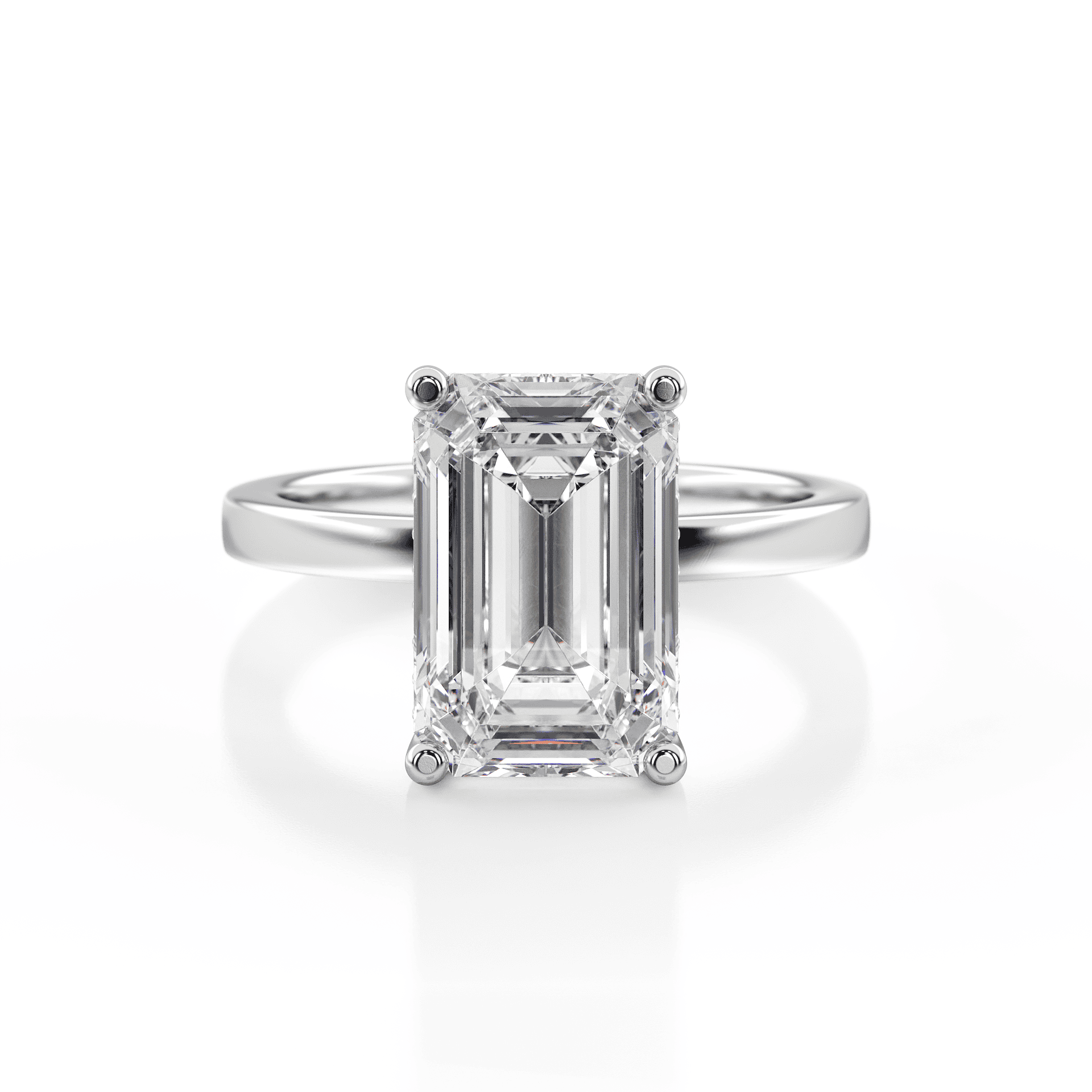
Emerald
Refined and architectural with a step-cut pattern. Emphasises clarity and creates a sophisticated, understated luxury feel. Popular with design-forward buyers.

Oval
Elongated and flattering on the finger. Combines the sparkle of round with the appearance of greater size. Works beautifully in both classic and modern settings.

Pear
Romantic and distinctly feminine. The tapered point creates a lengthening effect on the hand. Makes a memorable statement without being ostentatious.

Princess
Square and boldly modern with brilliant faceting. Combines contemporary geometry with exceptional sparkle. Perfect for those who want to stand out.
Maximise Beauty Within Your Budget
The best diamond isn't always the one with the highest grades , it's the one that achieves what matters most to you. Here's how to prioritise.
Prioritise Cut
A well-cut diamond will appear brighter and more beautiful than a poorly cut stone of higher weight. Cut is where your budget creates the most visual impact.
Be Flexible on Clarity
You rarely need the highest clarity grades. An "eye-clean" diamond , where inclusions are invisible without magnification , delivers identical beauty at significant savings.
Use Design Strategically
The right setting creates perceived value and presence. A thoughtful halo, hidden halo or complementary band can make a smaller diamond feel more substantial and luxurious.
Ring Settings That Transform
The setting is more than mounting , it is the story your ring tells. Each style changes how the diamond is perceived and how it sits on your hand.
Solitaire
Classic elegance. All focus on the centre stone with no distractions. Timeless, refined and celebrates the diamond itself.
Halo
A ring of smaller diamonds surrounds the centre stone. Maximises brilliance and can make the centre diamond appear larger and more present.
Hidden Halo
The halo sits on the side profile only. From the front, it looks like a solitaire , but the side view reveals a sophisticated secret of extra sparkle.
Pavé Band
Diamonds encrust the band itself. Creates continuous shimmer and adds visual weight and presence to the overall design without a massive centre stone.
Three-Stone
Symbolic and balanced. Centre stone with side diamonds representing past, present and future. Works beautifully at any price point.
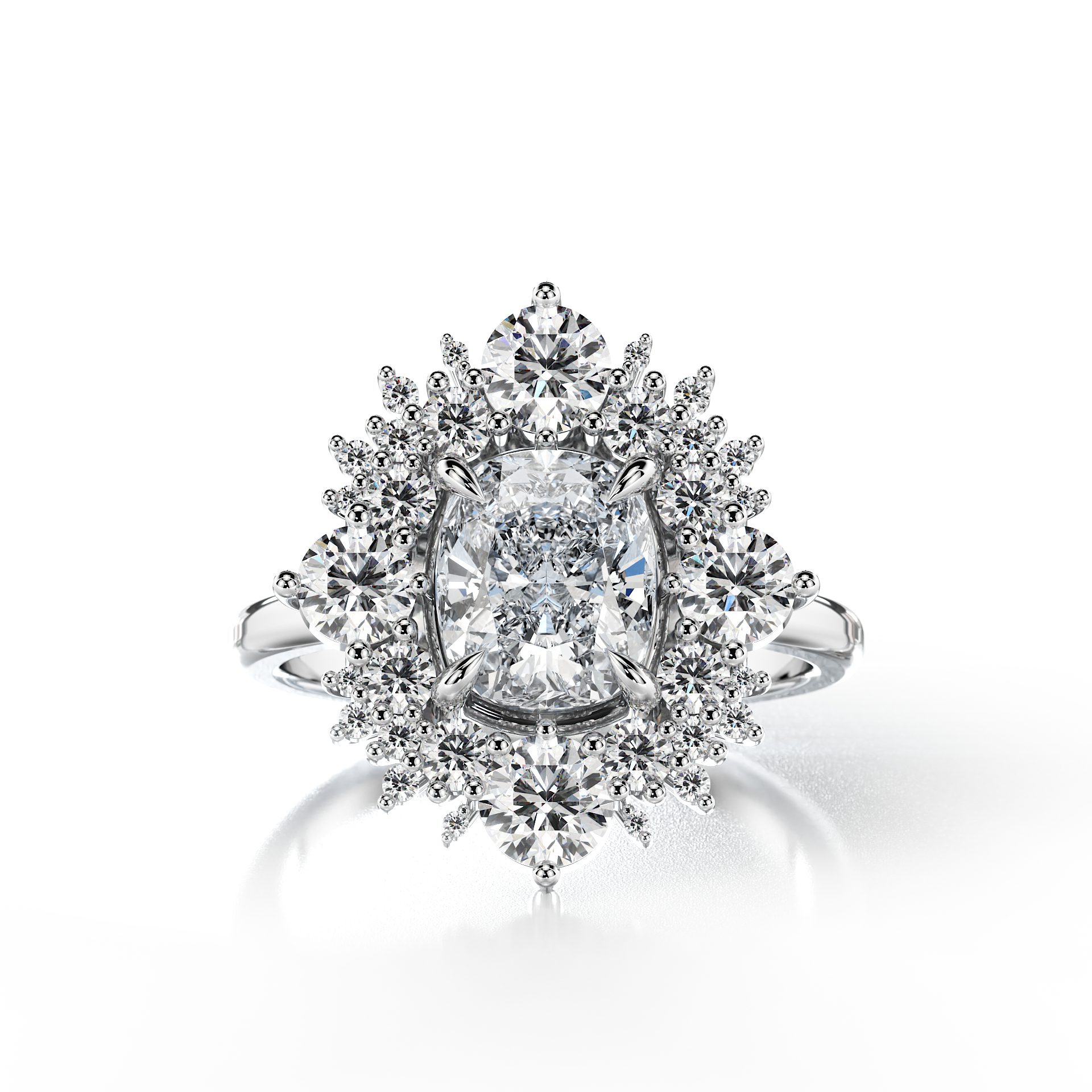
Vintage Cluster
Romantic and intricate. Multiple smaller stones arranged in a petal pattern. Creates an unusual, memorable look with depth and movement.
Bezel Set
Metal collar encases the stone. Modern, secure and minimalist. Perfect for those who prefer architectural simplicity and protection.
Tension Set
The diamond appears to float between the two ends of the band. A contemporary statement of elegance and confidence in the stone.
Diamond FAQs
We have answered thousands of questions about diamonds. Here are the ones our clients ask most.
Are lab-grown diamonds real diamonds?
+
Which diamond shape looks biggest?
+
Can I see a diamond before buying?
+
What's the difference between VS1 and SI1 clarity?
+
Can I resize or modify my ring?
+
How do I know which 4C is most important for me?
+
Expert Guidance, No Pressure
Whether you now know exactly what you want or this has sparked new questions , we're here to help. Book a consultation with our diamond specialists and let's find your perfect stone together.